From Compas Direk to Cadence-Lypso, Zouk, and Bouyon.
A Legend Among Legends :
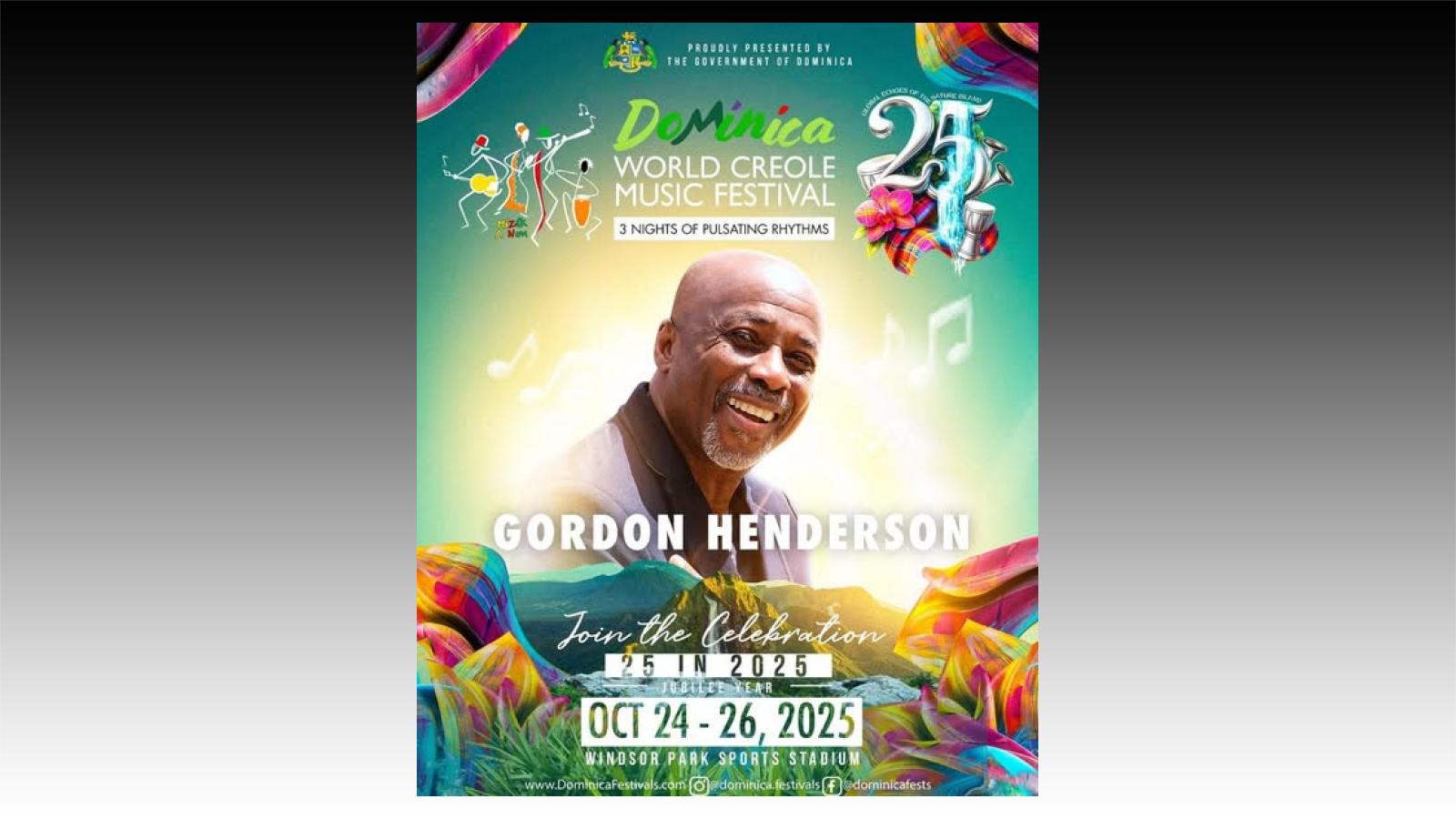
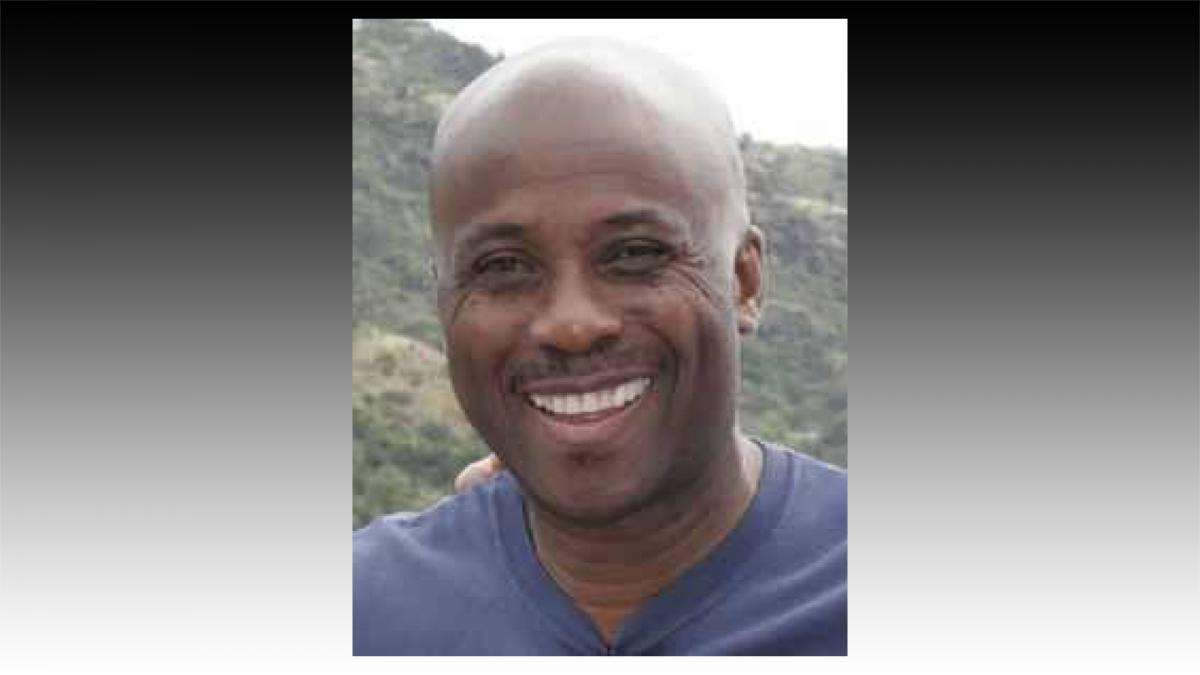
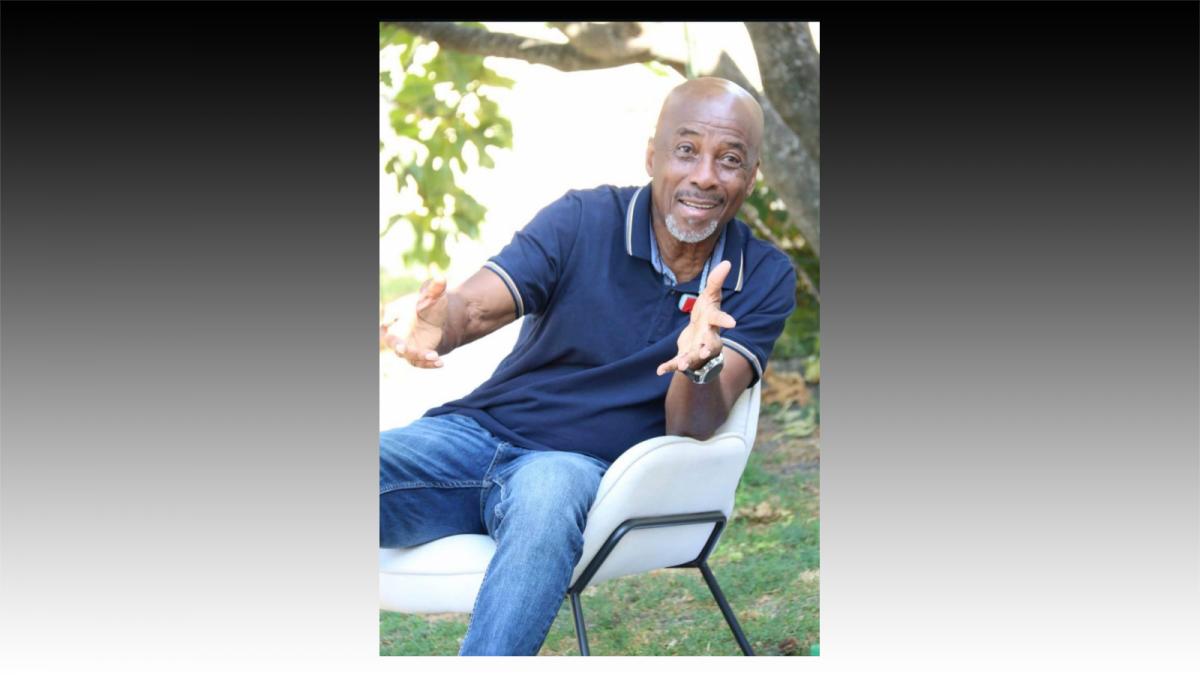
Gordon Henderson’s name stands at a decisive crossroads in Caribbean music history—a bridge between languages, islands, and cultures, carried by a creative spirit too restless to be contained. Born on the modest island of Dominica, population barely 55,000 in the early 1970s, he came of age in a society where “musician” was not considered a profession. Yet Henderson’s compass pointed toward possibility: the lure of the stage, the hunger for recognition, and the dream of lifting Creole rhythms to a world stage.
This is the story of how one immigrant with a vision set Creole music on a global trajectory.
Henderson’s first attempt at musical migration came with Voltage 4, a Dominican group whose struggles on neighboring islands taught him resilience. Choosing Puerto Rico for further studies, he followed a family precedent—his uncle Thomas Carbon had studied there—signaling a Caribbean truth: education and migration were often the gateways to wider opportunity.
But destiny had other plans. A seemingly chance stop in Guadeloupe changed everything. An old friend, Hippomène Leauva, led Henderson into a studio session with Les Vikings, then Guadeloupe’s most celebrated band. Invited to join as their soul singer, Henderson became the first Dominican to be fully integrated into the Guadeloupean scene. This was more than personal success—it was a cultural breakthrough.
Then came the song. A track titled “Love”, recorded on the young Debs label, ignited a spark that spread far beyond the French Antilles. Produced with meager means, “Love” leapt borders, licensed and pressed in Barbados, Jamaica, Suriname, and Holland. Henderson’s voice carried the first two Guadeloupean hits ever exported internationally, announcing to the world that Caribbean Creole music was ready for global consumption.
Henri Debs, visionary founder of the label, doubled down, recording a full LP with Henderson. Ironically, Debs had once dismissed a Voltage 4 master as “unmarketable” and gifted it back to the young singer. Now, with “Love” blazing abroad, the same Debs saw Henderson not as a gamble but as a generational bet.
To build further, Henderson called on Dominican schoolmate Fitzroy Williams. Together they recruited a cadre of Dominican musicians, birthing Exile One. The band’s rise was meteoric, carrying Creole cadences from Dominica to Paris and into the annals of history as the first Caribbean Creole act to sign with a major international label. Switching from English to Creole lyrics, Exile One embodied cultural self-assertion: proof that Creole was not a limitation but a passport.
The domino effect was immense. Pierre-Édouard Décimus, Henderson’s bassist in Les Vikings, and Freddy Marshall of Voltage 4, would later conceive Kassav’. Their zouk revolution mirrored Henderson’s journey—both bands tempted by English-language markets but ultimately drawn back to the Creole heartbeat. Through this lineage, cadence-lypso became the ancestor of zouk, bouyon, and other modern Caribbean genres.
And yet Henderson’s role is often understated. His decision to leave Dominica, embrace collaboration, and insist on Creole as a medium of international expression set the precedent for generations. The single “Love” was not just a hit; it was a cultural declaration, a proof of concept that Creole music could command international markets.
In the end, Gordon Henderson’s odyssey is a legend among legends because it charts the transformation of one man’s dream into a continental movement. From Dominica to Guadeloupe, from Puerto Rico to Paris, Henderson’s path reveals how vision, resilience, and daring can elevate a local rhythm into a global phenomenon.
- Se connecter ou s'inscrire pour publier un commentaire
- 145 vues
18/09/2026 - 10:39
Nicolas Gary
31/08/2026 - 11:28
Gordon Henderson
16/08/2026 - 22:48