
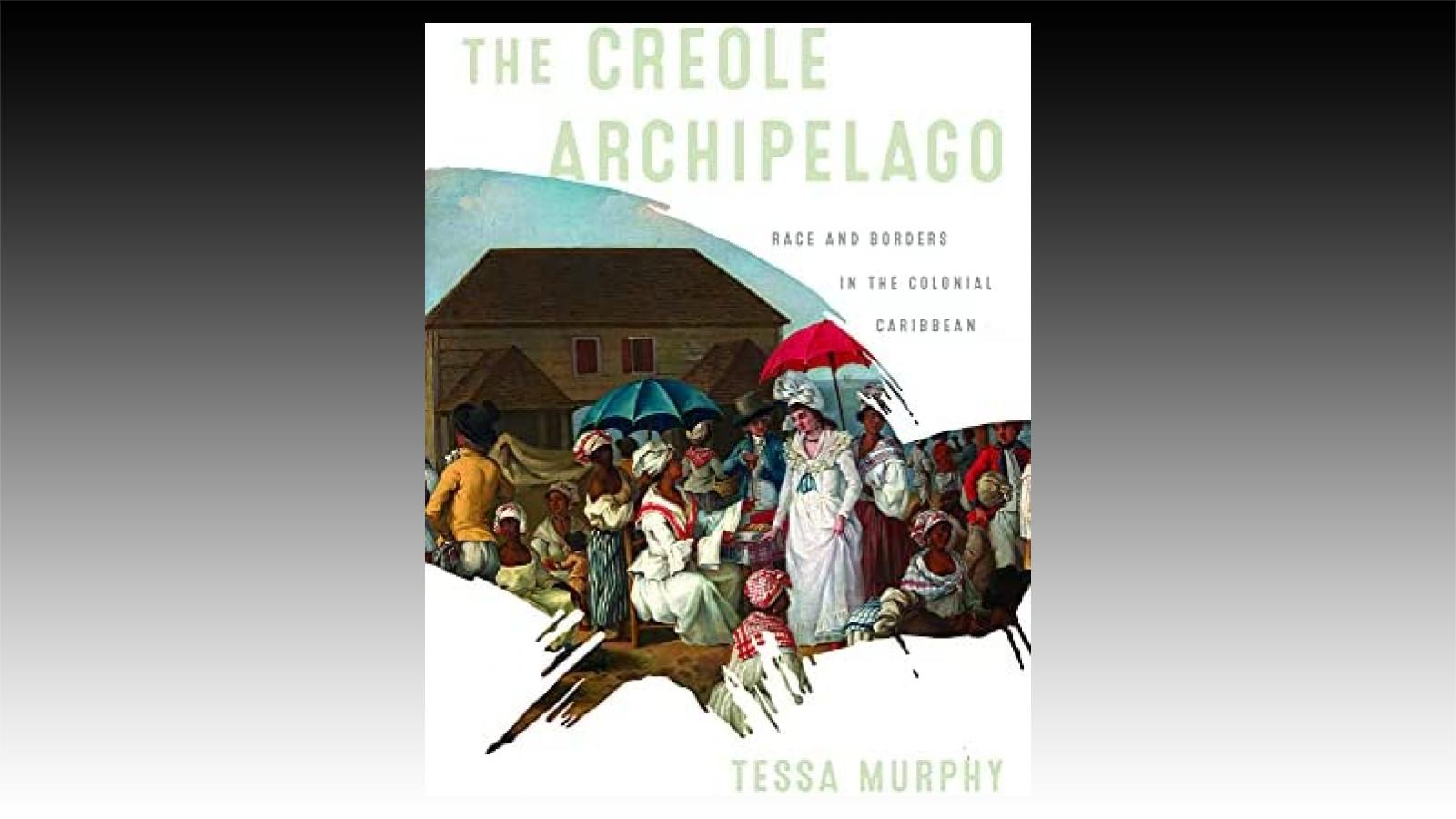
In The Creole Archipelago, Tessa Murphy traces how generations of Indigenous Kalinagos, free and enslaved Africans, and settlers from a variety of European nations used maritime routes to forge social, economic, and informal political connections that spanned the eastern Caribbean. Focusing on a chain of volcanic islands, each one visible from the next, whose societies developed outside the sphere of European rule until the end of the Seven Years' War in 1763, Murphy argues that the imperial frameworks typically used to analyze the early colonial Caribbean are at odds with the geographic realities that shaped daily life in the region.
Review
Remarkable...Murphy has found, in one ofthemosttrafficked(byshipsandhistorians alike) corners of the Americas, what feels like a new world. Through her active reframing of space in the eastern Caribbean, and by paying attention to Indigenous geographies and interimperial borderlands, Murphy has written a timely and important study...For historians of the Caribbean of any period,
The Creole Archipelagowill be a must-read.
― H-Early America
Essential...This well-researched account, which thoughtfully includes transatlantic archival work, posits a new way of thinking about the archipelago linked by travel, settlement, race, and culture. This truly insightful study adds to a number of historical fields and is a must-read for those interested in colonial, regional, or Caribbean history. ― Choice
The transimperial and multiracial historical geographies of the seventeenth- and eighteenth-century Lesser Antilles come to life in page after page of this exquisitely crafted and richly researched study. The Creole Archipelago places the eastern Caribbean’s Indigenous people, enslaved Africans and Afro-creoles, free people of color, and French and British colonists at the center of epic hemispheric struggles over enslavement, freedom, and the plantation complex. ― Melanie Newton, University of Toronto
In this exceptionally rich and persuasive book, Tessa Murphy transforms our understanding of the early modern Caribbean. Murphy looks beyond the major sugar islands and uncovers a complex social world connecting Tobago, Grenada, St. Vincent, St. Lucia, and Dominica. Linked by Indigenous travel and settlement centuries before Europeans arrived, these islands remained entwined throughout the eighteenth century as they became home to thousands of rogue settlers of European and African descent. Shaped by persistent Kalinago influence, and existing on the margins of competing European empires, Murphy’s ‘Creole Archipelago’ reveals both the limits and the destructive influence of colonialism. ― Brett Rushforth, University of Oregon
Book Description
By approaching the colonial Caribbean as an interconnected region, Tessa Murphy recasts small islands as the site of broader contests over Indigenous dominion, racial belonging, economic development, and colonial subjecthood.
About the Author
Tessa Murphy is Assistant Professor of History at Syracuse University.
- Se connecter ou s'inscrire pour publier un commentaire
- 102 vues
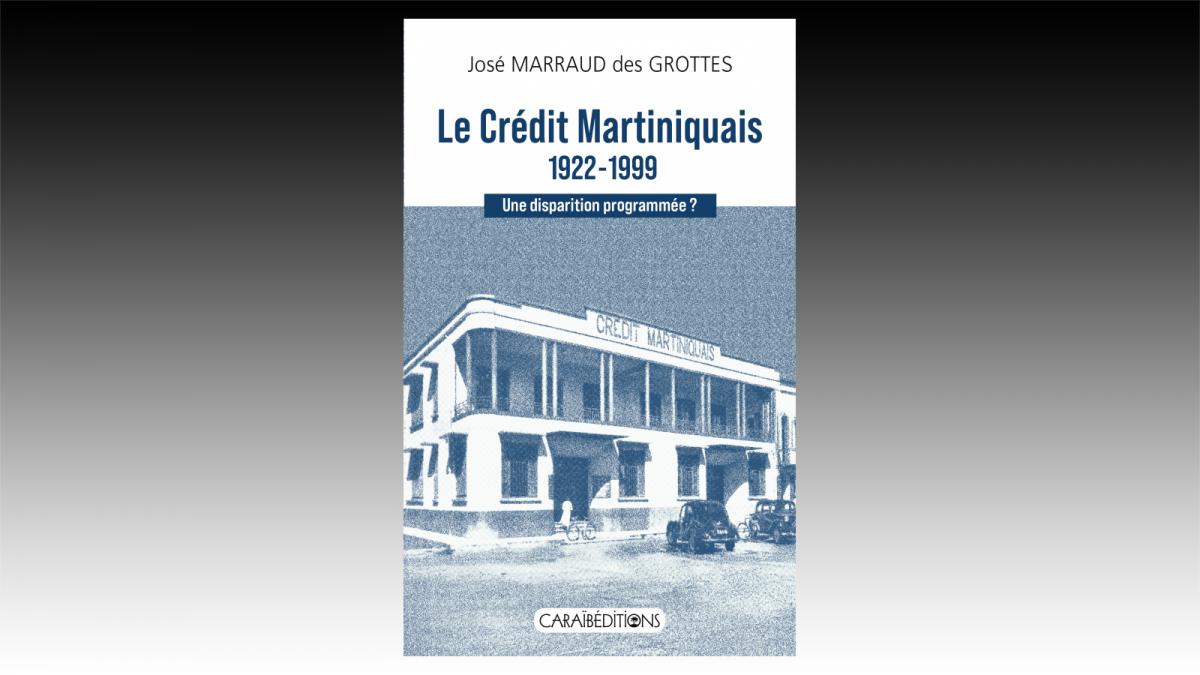
Un livre de José Marraud des Grottes
05/08/2026 - 19:02
CNCP
26/06/2026 - 22:04
13/06/2026 - 21:56
26/05/2026 - 20:12