As Dominica prepares to celebrate another Independence Day and hosts its renowned World Creole Music Festival, reflections on the island’s musical heritage become increasingly relevant. However, a longstanding oversight persists: the limited recognition of Dominican music both as an art form and a potential industry.
As an observer of over fifty-five years I note that Dominican scholars have historically paid scant attention to the development of local music. While there are academic papers acknowledging the role of figures like former Chief Minister E. O. Leblanc in promoting Creole language and folklore—once dismissed as rural pastimes—the deeper cultural significance of music remains underexplored.
Leblanc is credited with strategic efforts to embed Creole culture into the national identity, notably through the promotion of a talented urban woman, Mabel "Cissie" Caudieron. She played a pivotal role in elevating Creole song and dance, helping bridge the gap between rural traditions and urban appreciation. Over time, these folk arts gained acceptance across social classes, becoming a shared cultural asset.
The timeline of Dominican musical evolution continues with the influence of Cissie Caudieron’s son, Daniel, affectionately known as Papa-D. He introduced theatrical elements into traditional songs and dances, further enriching the island’s cultural tapestry. Later, Alwyn Bully—bestowed with an honorary doctorate—expanded the reach of Dominican music into theater, film, and international spheres, even working with UNESCO to promote the arts.
This overview offers a broad perspective on the history of Dominican music, but it is by no means complete. Critics and industry insiders are encouraged to correct any inaccuracies and fill in the gaps—particularly concerning the period preceding the 1970s, before Dominican music began making significant waves beyond the Caribbean.
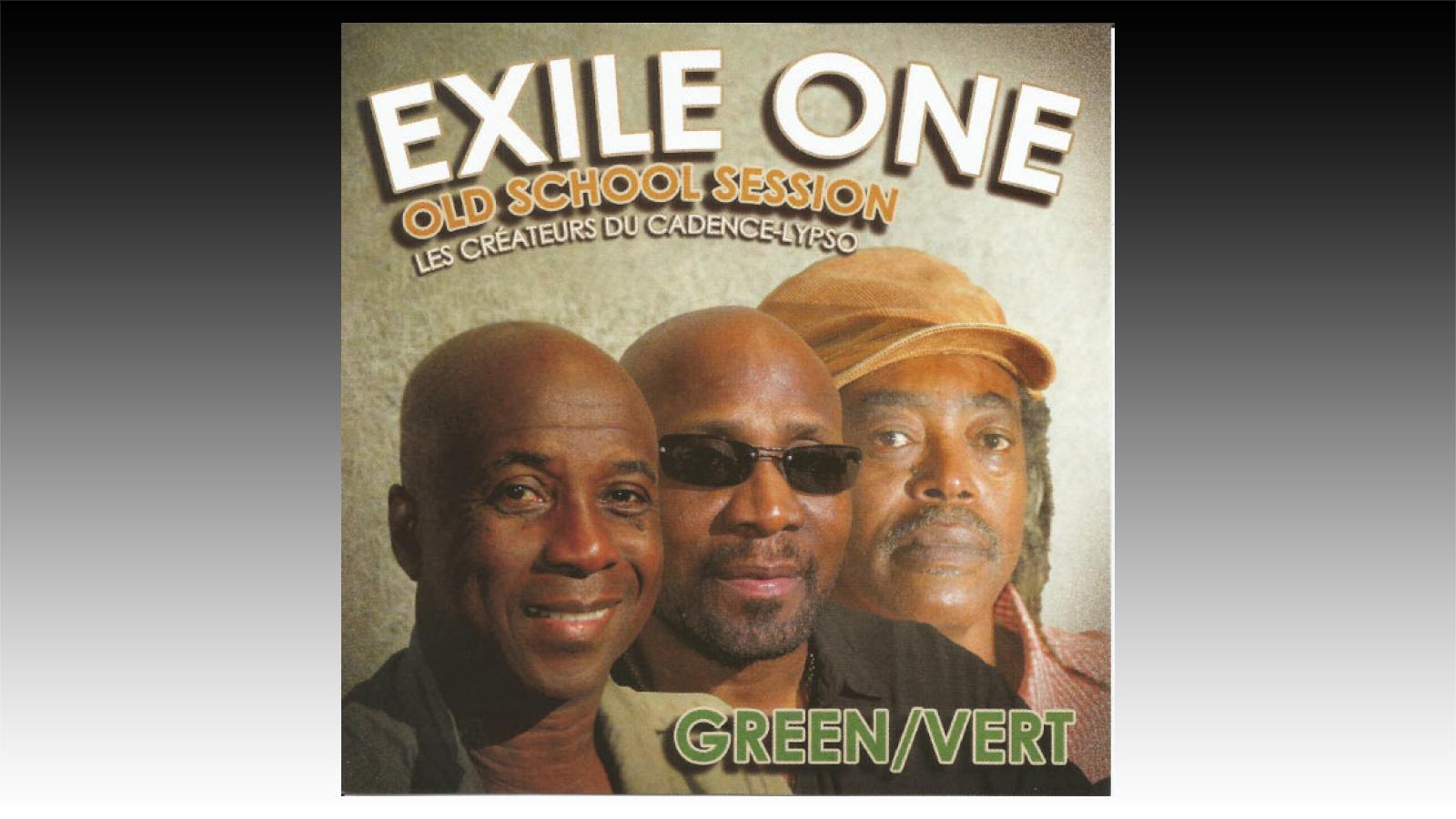
Since then, the island has been credited with developing two notable music genres: Cadence-lypso and Bouyon. Cadence-lypso predates the Internet era and was popularized by groups like the Midnight Groovers and artists such as Ophelia, who helped keep the genre alive long after its heyday. Today, discussions around Cadence-lypso often revolve around village allegiances and personal connections rather than industry metrics or recognition. The true Cadence-lypso story is either unknown or ignored !
The rise of Bouyon in the late 20th and early 21st centuries signifies a new chapter, with many emerging artists and sounds shaping the modern scene. Yet, if Dominica aspires to establish a credible music industry and host meaningful awards ceremonies, such initiatives cannot be based solely on personal affiliations or regional loyalties. Industry indicators—such as sales (not views), real international reach, and artistic innovation—must guide these efforts.
In a forthcoming second part, we will explore the key metrics and industrial indicators that determine influence and recognition of Dominica’s evolving music scene within the global context. Only then can the island fully harness its rich musical heritage as both an art form and a sustainable industry.
- Se connecter ou s'inscrire pour publier un commentaire
- 170 vues

Amina Aouadi ("Algerie360.com")
23/10/2026 - 10:20

12/10/2026 - 12:51

Ferriòl Macip
08/10/2026 - 11:43

Aomar Mohhellebi ("L'Expressiondz.com")
30/09/2026 - 11:02