Many people, despite knowing how the group Exile One inadvertently created a new variation of Calypso music, often overlook the true origins. This innovation occurred when they incorporated certain elements of the Haitian style of Compas-Direk and fused them with Calypso music played in the English-speaking Caribbean islands. This fusion came to be known as Cadence-Lypso. However, some tend to define this style primarily by the "cowbell" rhythm, neglecting other important factors such as creolization and the characteristic swing. Unfortunately, some of the true pioneers and architects of this genre are often ignored.
For historical accuracy, it's important to note that Exile One recorded at least three albums of Cadence-Lypso before any other group did. The genre gained widespread popularity only after groups like the Grammaks and others traveled to Guadeloupe and later to Martinique, with reports suggesting as many as thirty-three such groups.
Initially, Cadence-Lypso was characterized by variation in tempo, themes, and content. Up-tempo tracks were, of course, essential. Exile One produced carnival-tempo hits such as Ah Ta Ta, Tchwé Yo, Réfléchi, and a song titled Cadence-Lypso. However, the more moderate-tempo songs tended to have longer-lasting appeal, since carnival songs traditionally need to be refreshed annually. Songs by groups like the Grammaks, such as Mi Débah and Soukouyan, remain standards for generations to come.
Exile One’s songs like Rosita, Travay Pou Ayen, and Jamais Voir Ça have been covered by numerous artists worldwide in various languages. In Dominica, the group Midnight Groovers captured the hearts of the local population. Many listeners, however, tend to focus primarily on the "moderate classics" like Milk and Honey and often define Cadence-Lypso mainly by the prominent "cowbell" sound found in all the up-tempo songs, regardless of the band.
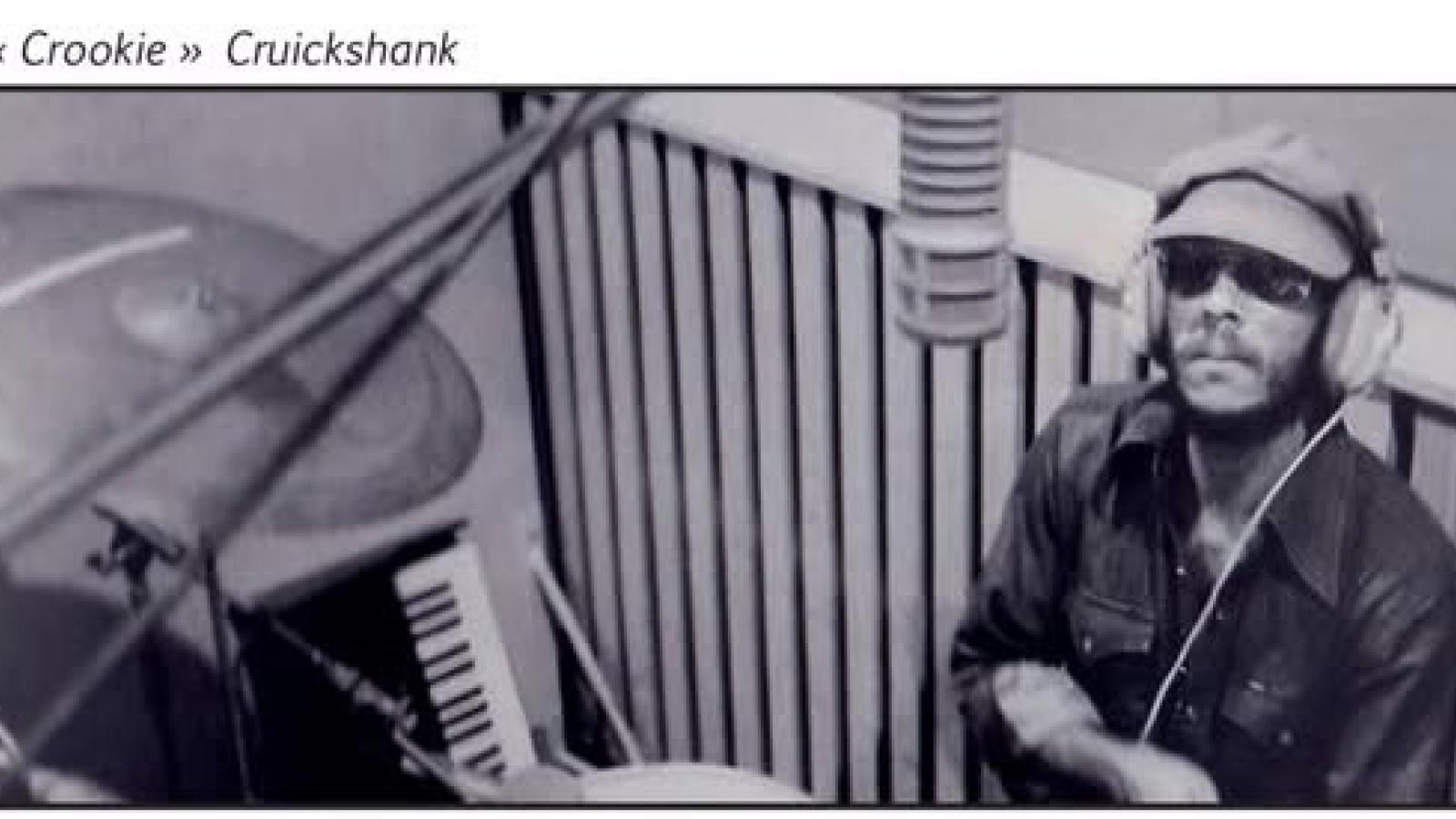
Importantly, the drumming style distinguishes Cadence-Lypso from other genres, and significant credit should be given to the late Oliver Cruickshank, affectionately known as Crookie. He invented this style based on his observations of both Calypso and Compas. Crookie, who was more inclined toward rock and funk music, contributed greatly to the genre. I am proud to have recorded a track in his honor while he was alive, titled Funky Crookie.
Exile One rarely used conga drums on stage, much to the dismay of Haitian audiences, who could not imagine a group performance without that instrument. Kremlin Fingal, who played the trumpet, made himself useful by playing the relatively repetitive cowbell when horn parts were absent. Unlike Haitian bands, which often had an additional tom-tom for the bell player, Kremlin used Crookie’s floor tom to fill this role.
In essence, the variation known as Cadence-Lypso was primarily created through specific instrumental techniques and arrangements, blending elements of calypso, compas, creolization, and rhythmic innovation.
- Se connecter ou s'inscrire pour publier un commentaire
- 147 vues

Amina Aouadi ("Algerie360.com")
23/10/2026 - 10:20

12/10/2026 - 12:51

Ferriòl Macip
08/10/2026 - 11:43

Aomar Mohhellebi ("L'Expressiondz.com")
30/09/2026 - 11:02